

Introduction
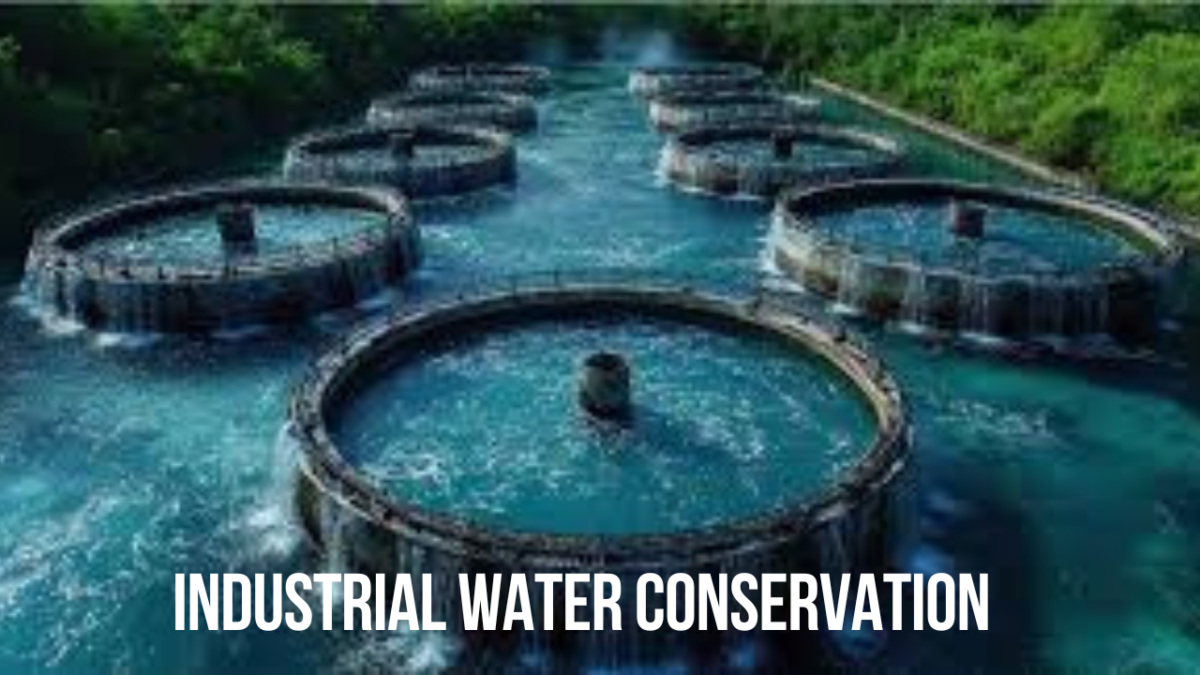
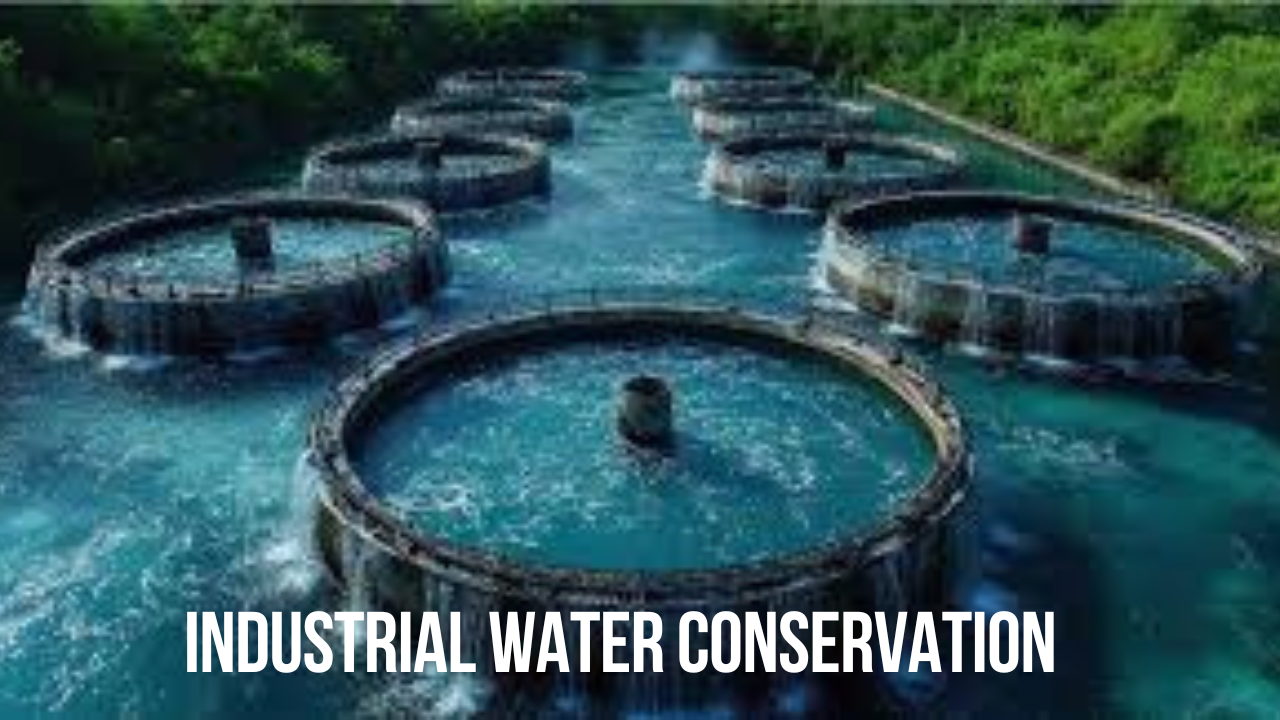
Industries play a vital role in economic growth, manufacturing, and employment, but they are also among the largest consumers of freshwater resources. Water is essential for industrial processes such as cooling, heating, cleaning, processing, and product formulation. As water scarcity, rising energy costs, and environmental regulations intensify, industrial water conservation has become a strategic necessity rather than an optional practice.
Industrial water conservation focuses on reducing water consumption, minimizing wastewater generation, improving process efficiency, and reusing water wherever possible. Efficient water management not only conserves natural resources but also lowers operational costs, reduces energy use, ensures regulatory compliance, and enhances corporate environmental responsibility.
This article explores the importance of industrial water conservation, major areas of industrial water use, key conservation strategies, modern technologies, and the long-term benefits of adopting sustainable water management practices in industrial settings.
Importance of Water Conservation in Industry
Water conservation in industrial operations is critical for several reasons:
- Resource Sustainability: Industrial overuse of water can deplete rivers, lakes, and groundwater reserves, threatening long-term availability.
- Rising Costs: Water procurement, treatment, and wastewater disposal costs continue to increase.
- Energy Consumption: Significant energy is required to pump, treat, heat, cool, and recycle industrial water.
- Environmental Compliance: Stricter regulations demand reduced water withdrawals and lower pollutant discharge.
- Operational Resilience: Efficient water use improves reliability during droughts and supply disruptions.
By conserving water, industries can maintain productivity while reducing environmental and financial risks.
Industrial Water Use and Losses
Water is used across industries for a wide range of purposes, including:
- Process water for manufacturing and production
- Cooling systems for machinery and power generation
- Boiler feed water for steam generation
- Cleaning and washing of equipment and facilities
- Sanitation and domestic use within industrial premises
Water losses in industrial systems commonly occur due to:
- Leaks in pipelines and valves
- Inefficient cooling systems
- Excessive blowdown in boilers
- Poorly controlled cleaning processes
- Lack of monitoring and measurement
Identifying these losses is the foundation of effective water conservation planning.
Water Audits and Monitoring
A comprehensive water audit is a critical first step in industrial water conservation. Water audits assess how much water is used, where it is used, and where losses occur within a facility.
Key components of an industrial water audit include:
- Measuring water intake and discharge
- Mapping water use across processes
- Identifying inefficiencies and leak points
- Evaluating wastewater quality and quantity
Installing meters, sensors, and automated monitoring systems allows industries to track real-time water use, detect abnormalities, and continuously improve efficiency.
Process Optimization and Water Efficiency
Optimizing industrial processes can significantly reduce water demand without affecting product quality.
Common strategies include:
- Modifying processes to require less water
- Using dry or semi-dry processing techniques
- Improving rinsing and cleaning efficiency
- Replacing batch operations with continuous systems where feasible
Process optimization often results in reduced water consumption, lower wastewater generation, and improved operational efficiency.
Cooling Water Conservation
Cooling systems account for a major portion of industrial water use, particularly in power plants, refineries, and manufacturing facilities.
Water-saving measures for cooling systems include:
- Increasing cycles of concentration in cooling towers
- Using closed-loop cooling systems
- Regular maintenance to prevent scaling and biological growth
- Using air-cooled or hybrid cooling technologies where appropriate
Efficient cooling system management can result in substantial water and energy savings.
Boiler and Steam System Efficiency
Boilers require high-quality water and are a significant source of water and energy consumption in industries.
Water conservation in boiler systems can be achieved by:
- Recovering and reusing condensate
- Optimizing boiler blowdown rates
- Using high-efficiency boilers and controls
- Treating feed water to reduce scaling and corrosion
These practices reduce both water use and fuel consumption, improving overall system efficiency.
Water Reuse and Recycling
Water reuse and recycling are among the most effective strategies for industrial water conservation. Many industrial processes do not require potable-quality water, making reuse feasible.
Examples of industrial water reuse include:
- Reusing cooling tower blowdown for cleaning
- Recycling rinse water in multi-stage processes
- Treating wastewater for reuse in non-critical applications
- Using reclaimed water for landscaping and sanitation
Advanced treatment technologies such as membrane filtration, reverse osmosis, and biological treatment enable high levels of water recovery and reuse.
Wastewater Reduction and Treatment
Reducing wastewater generation lowers treatment costs and environmental impacts.
Effective approaches include:
- Source reduction of contaminants
- Segregation of high-strength waste streams
- On-site wastewater treatment and reuse
- Adoption of zero liquid discharge (ZLD) systems in water-scarce regions
Efficient wastewater management ensures regulatory compliance and protects surrounding ecosystems.
Energy–Water Nexus in Industry
Industrial water use is closely linked to energy consumption. Energy is required for pumping, heating, cooling, and treating water and wastewater.
Reducing water use leads to:
- Lower electricity and fuel consumption
- Reduced greenhouse gas emissions
- Improved energy efficiency across operations
Integrating water and energy management strategies maximizes overall sustainability benefits.
Economic Benefits of Industrial Water Conservation
Industrial water conservation provides direct and indirect economic advantages, including:
- Reduced water and wastewater costs
- Lower energy expenses
- Decreased chemical and treatment costs
- Improved equipment lifespan
- Enhanced corporate reputation and sustainability performance
Investments in water efficiency often have short payback periods and contribute to long-term profitability.
Policy, Regulation, and Corporate Responsibility
Government regulations and corporate sustainability commitments play a key role in driving industrial water conservation.
Effective programs include:
- Water efficiency standards and benchmarks
- Incentives for water-saving technologies
- Mandatory water reporting and audits
- Integration of water stewardship into corporate ESG goals
Proactive water management helps industries stay ahead of regulations while demonstrating environmental leadership.
Long-Term Industrial Water Sustainability
Achieving sustainable industrial water use requires long-term planning and continuous improvement. This includes:
- Regular performance monitoring
- Employee training and awareness
- Investment in research and innovation
- Collaboration with utilities and communities
As water risks increase globally, industries that prioritize conservation will be better positioned to maintain resilient and responsible operations.
Conclusion
Industrial water conservation is essential for balancing economic growth with environmental protection. By optimizing processes, improving cooling and boiler systems, reusing water, and integrating energy-efficient practices, industries can significantly reduce water consumption and wastewater generation.
Adopting comprehensive water conservation strategies not only safeguards vital water resources but also enhances operational efficiency, regulatory compliance, and long-term sustainability. As water scarcity and environmental challenges intensify, industrial water conservation will remain a cornerstone of responsible and resilient industrial development.
